Hisbullah Font: A Luxurious Arabic Display Typeface
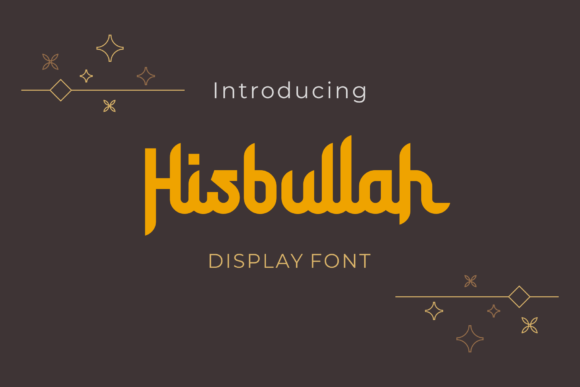
If you run a small brand that draws inspiration from Middle Eastern aesthetics, high-end hospitality, or artisanal craftsmanship, you know how hard it can be to find a typeface that feels both refined and distinctive without looking like a gimmick. That’s exactly the gap Hisbullah fills. It’s a bold, unique display font with a striking Arabic visual character, blending modern lines and classic ornamentation to create a look that feels timeless.
Hisbullah isn’t designed for body copy or long paragraphs. It’s built for moments that matter—the logo on a candle jar, the headline on a café menu, the welcome text on a boutique website. When used thoughtfully, it helps small businesses appear more consistent, more intentional, and far more memorable across every customer touchpoint.
What Hisbullah Brings to Your Visual Identity
This is a display font with presence. The letterforms carry a luxurious, elegant impression, thanks to the careful fusion of modern geometry with classic Arabic-inspired details. It doesn’t feel overly calligraphic or handwritten—there’s structure here—but the curves and horizontal accents give it a warm, decorative soul.
In a sea of generic sans serif logos, Hisbullah adds personality that stops the scroll. For a small business owner, that’s practical gold. It communicates quality and heritage without needing extra graphic elements, making your branding work harder even in simple, one-color applications.
Where Hisbullah Shines in Everyday Branding
This is where a display font earns its keep. Hisbullah thrives in applications where you need a few words to carry the whole visual message. Think about your real-world materials: a logo treatment for a skincare line, the name of a bakery on a window decal, a hand-poured candle label, or the title of a coaching workbook. In every one of these, the font becomes a quiet ambassador for your brand’s attention to detail.
Logos and Primary Brand Marks
Because Hisbullah has such a distinctive silhouette, it can stand alone as a wordmark without needing an icon. A jewellery brand, an independent perfume house, or a tea blend company could set their name in this font and instantly convey elegance and tradition. The trick is to keep the surrounding design minimal so the letterforms do the storytelling.
Product Labels and Packaging
Real packaging is small and often cluttered with mandatory information. Hisbullah works best as the hero element—the brand name or product line name—while a clean, readable sans serif handles the details. On a honey jar label, for example, the word “Wildflower” in Hisbullah can sit above ingredient text in a simple open-type font, creating a clear hierarchy that feels both artisan and professional.
Printed Touchpoints: Menus, Tags, and Thank‑You Cards
A café with a Levantine-inspired menu can use Hisbullah for section headers like “Morning Brews” or “Sweets & Pastries.” Hang tags on clothing, thank‑you cards tucked into orders, and sticker designs for online shops all benefit from a typeface that adds a tactile, luxurious feel without turning the design into a complicated puzzle.
Social Media Graphics and Digital Ads
On Instagram posts, Pinterest pins, or story highlights, Hisbullah creates instant visual contrast. A single word in this font layered over a neutral photo can act as a stamp of your brand identity. For promotional graphics, using it as a display face for sale announcements or new collection headers helps your content feel cohesive and intentional, rather than thrown together.
Practical Examples: From Bakery Boxes to Boutique Logos
Let’s make it concrete. Picture a small-batch bakery that specialises in maamoul and baklava. They use Hisbullah for the bakery name on the box lid, for the “Handmade Daily” sticker seal, and as the title text on their menu board. The rest of the type — descriptions, prices, allergy info — stays in a neutral sans serif. The result? A brand that feels rooted, premium, and impossible to confuse with a supermarket alternative.
A handmade candle brand could do the same. The fragrance name “Oud & Amber” set in Hisbullah becomes the centrepiece of a minimal matte label. Paired with a tiny serif subtitle and a simple vessel, the product looks far more expensive than its price tag. For a beauty or grooming line, the font can bridge modern apothecary styling with a hint of old‑world luxury, especially on serum bottles or beard oil packaging.
Service‑based businesses aren’t left out. A leadership coach serving Arabic‑speaking entrepreneurs might use Hisbullah for their name and program titles across their website, PDF workbooks, and event banners. It signals cultural resonance without feeling overly themed or costume‑like. A boutique hotel or riad could apply the font to welcome cards, signage, and guest‑facing materials, tying the entire guest experience together under a single, elegant type story.
Readability and Practical Constraints
Because Hisbullah is a display face, it’s not built for small text. On a mobile screen, long sentences in this font can become tiring to read and may lose their decorative clarity. That’s not a flaw—it’s a feature of how display fonts work. Limit its use to headlines, short phrases, or standalone words. For anything longer than a line or two, switch to a legible companion font. This ensures your brand remains accessible, even on a 5‑inch phone screen or in a busy feed.
In printed packaging, make sure to test at the exact size you’ll be using. The delicate curves and thin strokes that make Hisbullah elegant can sometimes close up or become too subtle when scaled down below 12 points. A quick test print on your actual label stock will tell you if you need to adjust tracking or bump up the size slightly. Better to catch that before you order 500 boxes.
Font Pairing Ideas for Cohesive Branding
A display font like Hisbullah works hardest when it has a strong supporting cast. The goal is to let it shine while everything else stays quietly legible.
- With a clean sans serif: Pair Hisbullah headlines with a neutral, geometric sans serif for body text. This combo works brilliantly for website banners, café menus, and product descriptions. The sans keeps information crisp, while the display font adds warmth and character.
- With a gentle serif: If your brand leans more traditional or literary, combine Hisbullah with a readable transitional serif for taglines or pull quotes. The mix of decorative Arabic flair and classic book‑like type creates a cultured, trustworthy impression—perfect for niche tea brands, publishers, or boutique travel companies.
- When not to pair: Avoid coupling Hisbullah with another highly ornate or script font. Too many decorative elements compete for attention and undermine the cohesive, professional look you’re building.
Across all pairings, keep weight and scale in mind. Hisbullah tends to be bold, so your secondary font can be lighter or regular in weight to create a natural visual rhythm. This hierarchy isn’t just an artistic choice—it helps customers navigate your materials faster, which directly supports trust and recognition.
Testing and Licensing Before You Commit
Before you redesign your entire brand around a single typeface, do what smart business owners do: test it. Grab a few mockups of your product packaging, a section of your website, and a social media template. Drop in your business name and a couple of key phrases using Hisbullah. View them on a desktop monitor and a phone. Send a print test to your local print shop and see how the ink lays down on uncoated paper. This small step can save you from reprinting materials or rebuilding graphics later.
Pay close attention to how the font handles & or accent marks if your brand name includes them. Not every character behaves the same way across all design software, so checking leaves no surprises.
Licensing is equally important. Hisbullah, like any premium font, comes with terms that define where and how you can legally use it. If you plan to put it on physical products you sell, embed it in a logo that will be trademarked, include it in digital templates you offer to clients, or use it in e‑books and paid downloads, you need a commercial font license that covers those uses. Always read the specific EULA (End User License Agreement) from the font provider. If in doubt, reach out to them directly. Operating with proper licensing protects your business and ensures you’re building your brand on a solid, legitimate foundation.
Making the Display Feel Like Home
The real power of a typeface like Hisbullah isn’t just in how pretty it looks on a sample sheet. It’s in how it makes your customers feel when they encounter your brand again and again. The handwritten thank‑you note that echoes your logo style. The Instagram story overlay that matches your product box. The website header that tells visitors they’ve arrived at a premium experience before they even read a word.
That consistency doesn’t happen by accident. It comes from choosing a display font with clear, intentional character—and then using it with discipline. Limit it to the big moments. Support it with quieter type. Test it. License it properly. When you do, a font like Hisbullah stops being a design asset and starts becoming part of your business’s identity, helping you look more professional, more trustworthy, and wonderfully distinct.